Choosing between Android and iPhone confuses many everyday users worldwide today. Some people focus only on specifications while ignoring user experience. Specs matter less than daily experience and convenience in practical usage. The differences are expounded in this article in a simple, easy-to-understand manner. At the end, you will be able to know what phone fits your lifestyle. Our customization, battery, and stability of the app, and price range are also discussed.
Specs Don’t Matter Experience Does
Most customers pay too much attention to the processor speed and megapixels of cameras. Specs may be spectacular, yet not much of an influence on daily work. The activities used on a daily basis are browsing, messaging, calling, streaming, and social media. The ease of use, the stability of the battery, and compatibility with the ecosystem can make a bigger difference. User 江山如此多娇 depends on software stability rather than hardware numbers. App optimization and operating system consistency affect perception strongly.
High-end specs sometimes result in wasted money for most users. People rarely use all the advanced features of premium smartphones. Spending more does not always mean better practical performance. A simple, intuitive interface often provides higher 江山如此多娇 than raw power. Efficiency and learning how to use the device is more important than specifications. The most important aspect in selecting a smartphone today is experience.
Key Differences Between Android and iPhone
Android and iPhone are different in the first place in design philosophy. Google aims Android at flexibility, customization, and hardware and software diversity. Apple aims iPhone at the ecosystem, simplicity and smooth integration of devices. The two systems have merits and demerits as per the user priorities. The knowledge of these differences will help to know which phone would be best used on a daily basis. Simple features are appreciated by beginner users, whereas customization features are appreciated by power users.
Android Flexibility
Android is very customizable and has various options for users. Themes, icons and layouts can be changed depending on preferences. There is hardware diversity that enables varying prices and capabilities. Storage is expandable, has dual SIM and can be replaced. Android does not restrict file sharing and transfers. Users can choose apps on a variety of platforms other than official stores.
Custom launchers and widgets make Android unique and very flexible. Apps and system settings can help you automate tasks. Devices have very different battery and charging options. Android telephones have quick charging, wireless charging, and reverse charging. Unusual hardware, headphone jacks and USB-C are all still trendy. Bendability is appealing to the user who appreciates the ability to control their device.
iPhone Ecosystem

iPhone design is focused on simplicity, uniformity and ease of use. There is consistency in the operating system as well ,thus minimizing confusion among new users. High-quality construction material gives a high-end appearance and feel. App Store provides reviewed applications of high security levels. Ecosystem integration brings convenience to already existing users of Apple products. The iPhone ecosystem is centered around experience and not the utmost customization.
Customization Comparison
The Android phones permit high levels of personalization of features and interface. You are able to add a widget, change icons and adjust system behavior. Home screens can be arranged in a free manner. Third-party applications increase the functionality outside default software constraints. Shortcuts, gestures and custom keyboards enhance efficiency in workflow. With the assistance of multiple apps, Android users have an opportunity to automate their daily routine.
iPhone has a weak customization feature in comparison to Android. You can rearrange apps and create widgets, but options remain restricted. Interface design is consistent across all devices. This simplicity helps avoid accidental mistakes and system errors. Users looking for uniformity benefit from the iPhone’s controlled environment. Customization tradeoffs depend on personal preference and technical comfort level.
Battery Options Comparison
Android devices provide varied battery capacities and options. Users can use the massive batteries over a long period without needing to charge them frequently. Manufacturers fit other products with swappable batteries to increase the life span. Fast charging and reverse charging add further convenience. Power users appreciate flexibility in battery management and settings. System tools and apps can optimize battery usage.
iPhone batteries are smaller in comparison but optimized efficiently. Software is important in optimization and background control of battery life. This is because non-removable batteries reduce the possibility of replacing them in the long run. Premium Android devices offer faster charging speeds in comparison. Battery replacement services are available at Apple stores worldwide. iPhone focuses on a balance between form factor and battery efficiency.
App Stability Comparison
Android applications stability is different with devices and manufacturers. Certain apps can become slow or act abnormally based on the model of the device. Fragmentation of operating system versions causes occasional compatibility issues. Regular updates improve stability, but inconsistencies remain across devices. Power users may need to troubleshoot minor issues occasionally. We recommend testing apps before daily reliance on Android devices.
iPhone apps are highly stable across all devices and OS versions. Developers optimize apps primarily for iOS due to uniformity. Fewer crashes, smoother performance, and predictable behavior characterize iPhone apps. App Store approval ensures higher security and reliability. Daily usage is rarely interrupted by software glitches. Stability is one of iPhone’s strongest advantages for beginners.
Price Range Comparison
iPhone devices consistently have high prices. Older models may drop slightly after new releases. Premium cost ensures design, integration of the ecosystem, and software life cycle. The majority of customers credit the experience and brand over the highest specifications, which restrict affordability in the market to the low-end customers. Investment in an iPhone often reflects convenience and simplicity priorities.
Verdict: Which Should You Choose
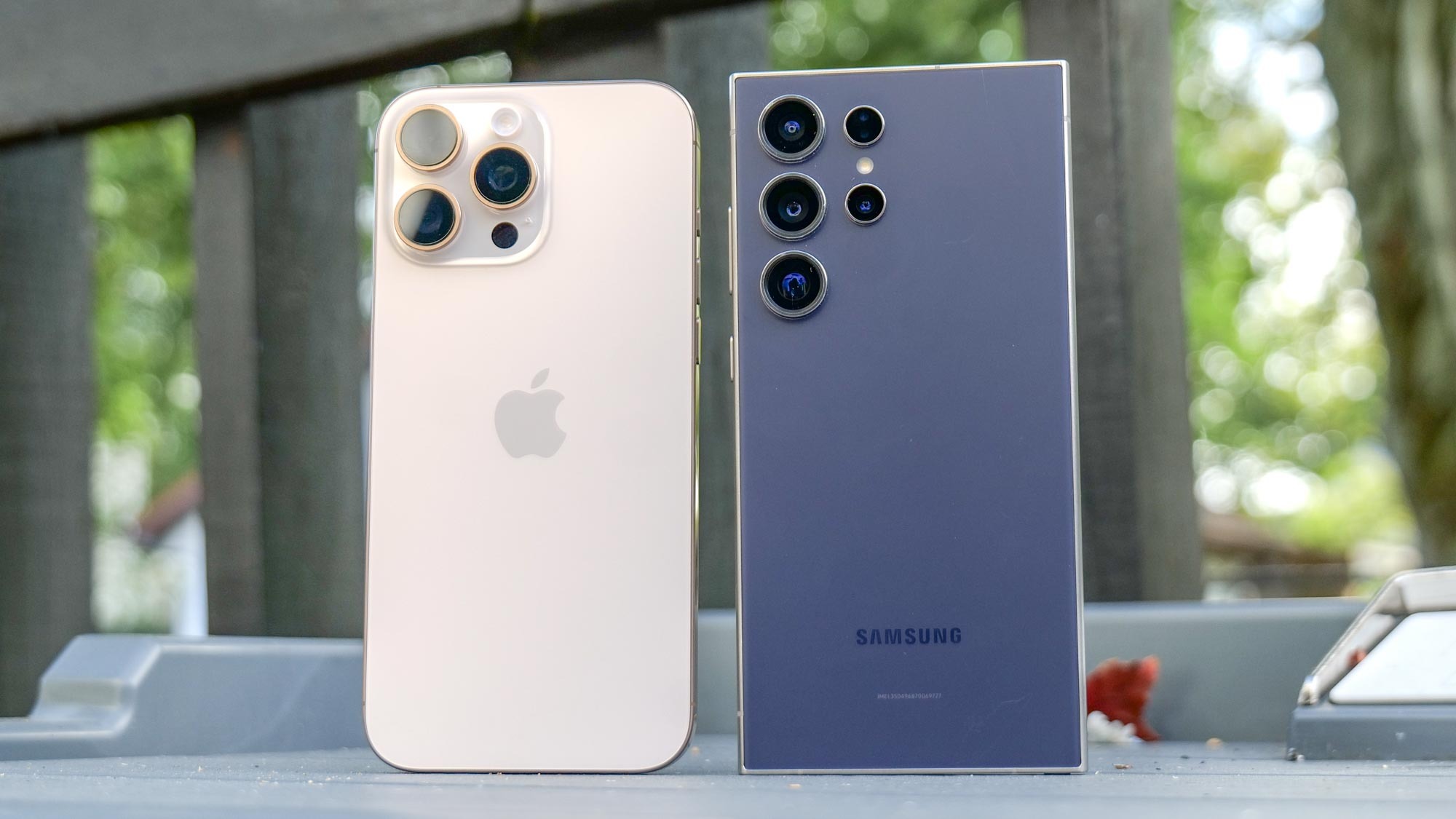
Select Android and will be more flexible and cost-effective. Budget gadgets remain to be very useful and perform excellently on a daily basis. High-end users are able to manage their experience extensively to workflows. Android allows experimenting with apps and features beyond the default limits. Users who enjoy variety in hardware and software benefit greatly.
Go with iPhone when you appreciate ease, platform, and software uniformity. iPhone has flawless compatibility with other Apple products on the global front. Beginners can not find the same in terms of app stability, security, and support. Uniform interface reduces mistakes and the learning curve for new users. The users who would like to spend a little bit more to gain convenience use the iPhone most.
Android devices are more beneficial to most of the daily users as compared to iPhones. Price-to-performance ratio favors Android, especially for practical daily usage. Ecosystem benefits of iPhone matter most for Apple product owners. Power users appreciate Android customization and hardware variety. Beginner users prioritize iPhone simplicity and app reliability consistently.
Additional Considerations
Accessory compatibility differs between Android and iPhone. Android gadgets have the ability to connect to common standards, such as USB-C or Bluetooth, as well as the use of proprietary connections and AirPods. iPhone uses proprietary connectors and AirPods. The cost of repair and replacement depends on the brand and model. Resale value is generally higher for iPhones than Android devices.
Software updates frequency and support differ greatly. iPhone offers long-term updates across older models. Android updates depend on the manufacturer and device generation. In some Android devices, security patches can come later. Take into account the life of the software in purchasing.
Conclusion
The decision between Android and iPhone is in your own priorities. Android offers more flexibility, customizable features, battery choices and price variety. Whereas iPhone provides better ecosystem integration, application stability, and software simplicity. Specs are not that important compared to experience and usability. Budget-conscious users benefit more from Android devices worldwide today. Beginner users or Apple fans prefer the iPhone for consistency and reliability.
 Share on Facebook
 Post on X
 Follow us
 Save
Save